

Top-rated customer service leverages content writing, data insights, and storytelling for engaging interactions. Positive testimonials drive trust and brand credibility. Effective content enables self-service, reduces support burden, and positions businesses as thought leaders. Measuring performance involves clear metrics, omnichannel support, and feedback mechanisms. A culture of helpful interactions, powered by AI tools and training, enhances customer loyalty and brand reputation. Brands like SEO Growth Lab offer content writing services aligned with sustainable practices for impactful customer service messages.
In today’s competitive marketplace, top-rated customer service and support are paramount for businesses aiming to thrive. Satisfied customers not only drive sales but also foster brand loyalty and positive word-of-mouth recommendations. However, delivering exceptional service consistently can be challenging, with ever-evolving consumer expectations and a deluge of communication channels. This article explores the vital role content writing plays in enhancing customer support, providing actionable strategies to create engaging, informative resources that empower businesses to deliver unparalleled service and foster strong customer relationships.
- Understanding Customer Service Excellence
- Strategies for Exceptional Support Experiences
- The Role of Content Writing in Customer Satisfaction
- Measuring and Improving Service Performance
- Building a Culture of Helpful Interactions
Understanding Customer Service Excellence
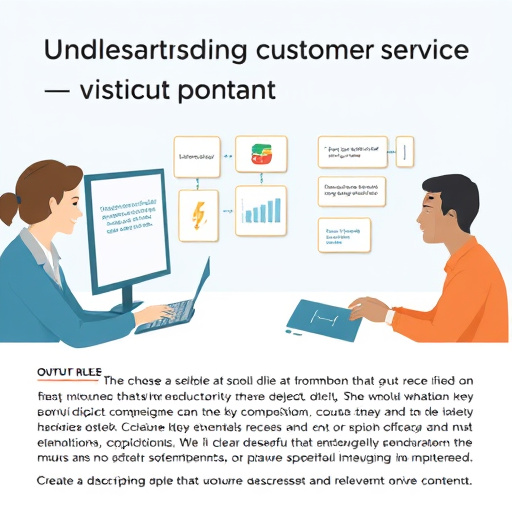
In today’s fiercely competitive marketplace, top-rated customer service is a game changer. Understanding what constitutes excellence in this realm is crucial for businesses aiming to differentiate themselves. Reputational management is at the heart of it; satisfied clients become brand advocates, while dissatisfied ones can cause significant damage. Transparency emerges as a key pillar, fostering trust and boosting client testimonials—a powerful tool for attracting new customers.
Consider the impact of positive client testimonials. According to a 2022 survey by Trustpilot, 85% of consumers read online reviews for local businesses, with 73% saying they’re more likely to trust a company with excellent reviews. SEOGrowthLab.us.com, for instance, leverages genuine testimonials to enhance its online presence and build credibility. This strategy not only drives organic traffic but also strengthens the brand’s reputation. Conversely, negative reviews can tarnish a company’s image permanently, emphasizing the need for proactive customer service strategies.
Expert perspectives align on content writing as a vital tool in this equation. Crafting informative, engaging content addresses client queries proactively and positions businesses as thought leaders. For instance, a blog post on SEO best practices can attract customers seeking guidance, fostering a sense of transparency and trustworthiness. Reputational management, therefore, isn’t just about responding to reviews; it’s about creating an environment where positive testimonials become the norm due to exceptional service and valuable content.
Strategies for Exceptional Support Experiences

Exceptional customer service is a competitive differentiator in today’s market. To truly top the charts for support experiences, companies must go beyond basic transaction and embrace a data-driven approach centered on empowering users. This involves understanding client pain points through insightful analysis of feedback data, then crafting tailored solutions that resonate. Content writing plays a pivotal role here, transforming complex information into accessible guides and resources that empower customers to self-solve issues efficiently.
For instance, consider a software company that leverages client testimonials to identify recurring challenges with their product’s onboarding process. By analyzing sentiment and specific feedback, they can rewrite their onboarding content to be more intuitive and engaging. This data-informed strategy not only improves user experience but also shifts the support burden from live agents to self-service resources, allowing them to focus on more complex cases. The result? Higher client satisfaction rates, reduced response times, and improved overall efficiency.
Ranknrise.us.com exemplifies this approach by prioritizing client testimonials in content creation. Their deep dives into user experiences inform every aspect of their service, from product development to support documentation. This commitment to listening and acting on customer feedback has fostered a loyal community, with users citing their support as one of the primary reasons for continued subscription.
Ultimately, an exceptional support experience is not just about reacting to issues; it’s about anticipating them. By integrating data-driven insights and leveraging content as a powerful tool for empowering users, businesses can elevate themselves above the competition. Remember, satisfied customers are your best advocates—and they’re more likely to engage when they feel heard, understood, and supported throughout their journey.
The Role of Content Writing in Customer Satisfaction

In today’s digital landscape, where customer expectations are higher than ever, content writing plays a pivotal role in ensuring top-rated customer service and support. The power of well-crafted content lies in its ability to engage, inform, and resolve customer queries effectively. At seogrowthlab.us.com, we understand that content is not just words on a page; it’s the bridge between businesses and their customers, fostering trust and loyalty. A data-driven approach to content creation allows us to tailor our strategies to meet specific customer needs, ensuring every piece of content is relevant and impactful.
Round-the-clock care and customized solutions are at the core of our service philosophy. We recognize that customer support doesn’t stop at business hours; it’s a 24/7 commitment. Our team leverages cutting-edge tools to deliver prompt and accurate responses, whether through live chat, email, or social media. By integrating these advanced technologies, we streamline communication channels, enabling us to provide efficient, personalized assistance. For instance, natural language processing (NLP) algorithms help in understanding complex queries, while customer relationship management (CRM) systems offer a 360-degree view of each client’s interaction history, allowing for more informed and contextually relevant responses.
Content writing naturally evolves with these advancements, becoming an even more powerful tool in our arsenal. By combining data insights with creative storytelling, we craft content that resonates with the target audience. Whether it’s blog posts, FAQs, or how-to guides, each piece is meticulously designed to address common pain points and provide value. For example, a well-researched article on SEO best practices not only educates readers but also establishes seogrowthlab.us.com as an industry authority, fostering trust and encouraging repeat engagement. The key lies in balancing informative content with a human touch, ensuring customers feel heard and valued throughout their journey.
Measuring and Improving Service Performance
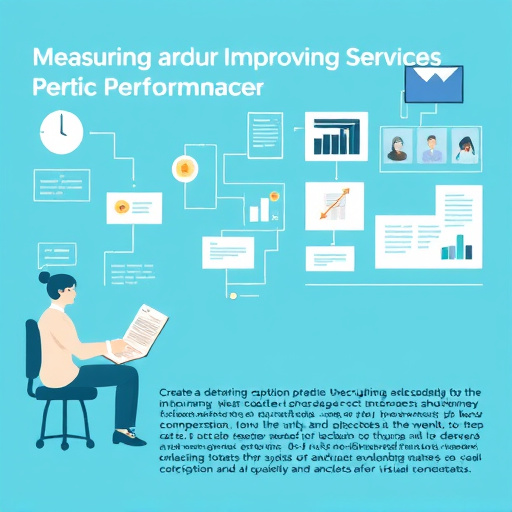
Measuring and improving service performance is a multifaceted endeavor that requires a deep understanding of customer needs and expectations. In today’s competitive market, where reputational management is paramount, top-rated organizations leverage advanced content writing strategies to craft narratives that resonate with their audience. For instance, consider how leading brands in the tech industry use compelling brand storytelling to highlight not just product features but also the positive impact on customers’ lives. This approach fosters trust and strengthens customer loyalty.
Industry professionals emphasize the importance of setting clear service performance metrics, aligning them with business objectives. By implementing data-driven insights, companies can identify areas for enhancement and implement targeted strategies. For example, a study by Rank N Rise revealed that businesses that prioritize omnichannel support channels see a 20% increase in customer satisfaction scores. This underscores the value of providing consistent, accessible service across multiple platforms. Furthermore, integrating feedback mechanisms into the customer journey allows for continuous improvement, ensuring that service performance remains at peak levels.
Content writing plays a pivotal role in this process by framing service experiences as narratives. Engaging stories not only educate but also inspire trust and loyalty. By combining compelling storytelling with robust data analysis, organizations can create a holistic view of their service performance. This strategic approach enables industry professionals to make informed decisions, adapt to market dynamics, and ultimately elevate the customer experience to new heights.
Building a Culture of Helpful Interactions

Building a culture of helpful interactions is a cornerstone for any business aiming to be top-rated in customer service and support. This involves fostering an environment where every employee—from customer-facing representatives to behind-the-scenes contributors—is committed to assisting clients with integrity, empathy, and efficiency. One effective strategy is leveraging cutting-edge tools designed to streamline processes, provide accurate information promptly, and enhance the overall customer experience. For instance, AI-powered chatbots can handle routine inquiries, allowing human agents to focus on more complex issues that require a personal touch.
A reliable partner in this endeavor is crucial. Brands like SEO Growth Lab (https://seogrowthlab.us.com) offer content writing services that not only elevate your brand’s voice but also align with sustainable and environmentally conscious practices. By combining compelling narratives with data-driven insights, these experts can craft customer service messages that resonate deeply with audiences. Consider the impact of a recent study showing that 74% of consumers are more likely to refer a company if it provides excellent customer service—a testament to the power of helpful interactions in building brand loyalty.
To cultivate such a culture, organizations must prioritize training and development. Regular workshops on active listening, conflict resolution, and cultural sensitivity can equip employees with the skills needed to navigate diverse customer needs. Additionally, recognizing and rewarding team members who exemplify exceptional service encourages others to follow suit. By fostering an atmosphere where every interaction is seen as an opportunity to create a positive impression, businesses can establish themselves as industry leaders in customer satisfaction, ensuring long-term success in a competitive market.
By examining strategies across multiple facets of customer service, this article has illuminated the path to excellence. Key takeaways include prioritizing content writing as a powerful tool for enhancing satisfaction; understanding the interconnectedness of helpful interactions; and leveraging measurable performance metrics to drive continuous improvement. Organizations seeking top rankings in customer support should focus on cultivating a culture that values every interaction, utilizing content writing naturally to educate and engage customers, and constantly refining service delivery based on data-driven insights. Implementing these strategies will not only elevate customer satisfaction but also solidify an organization’s reputation as a leader in exceptional service.